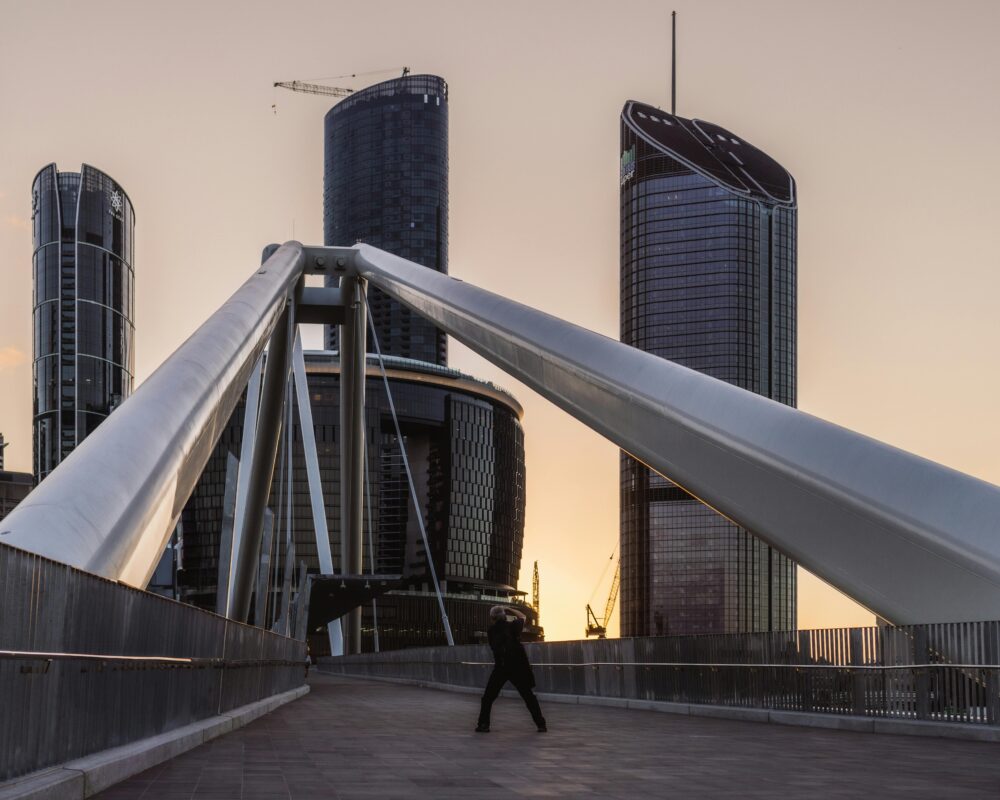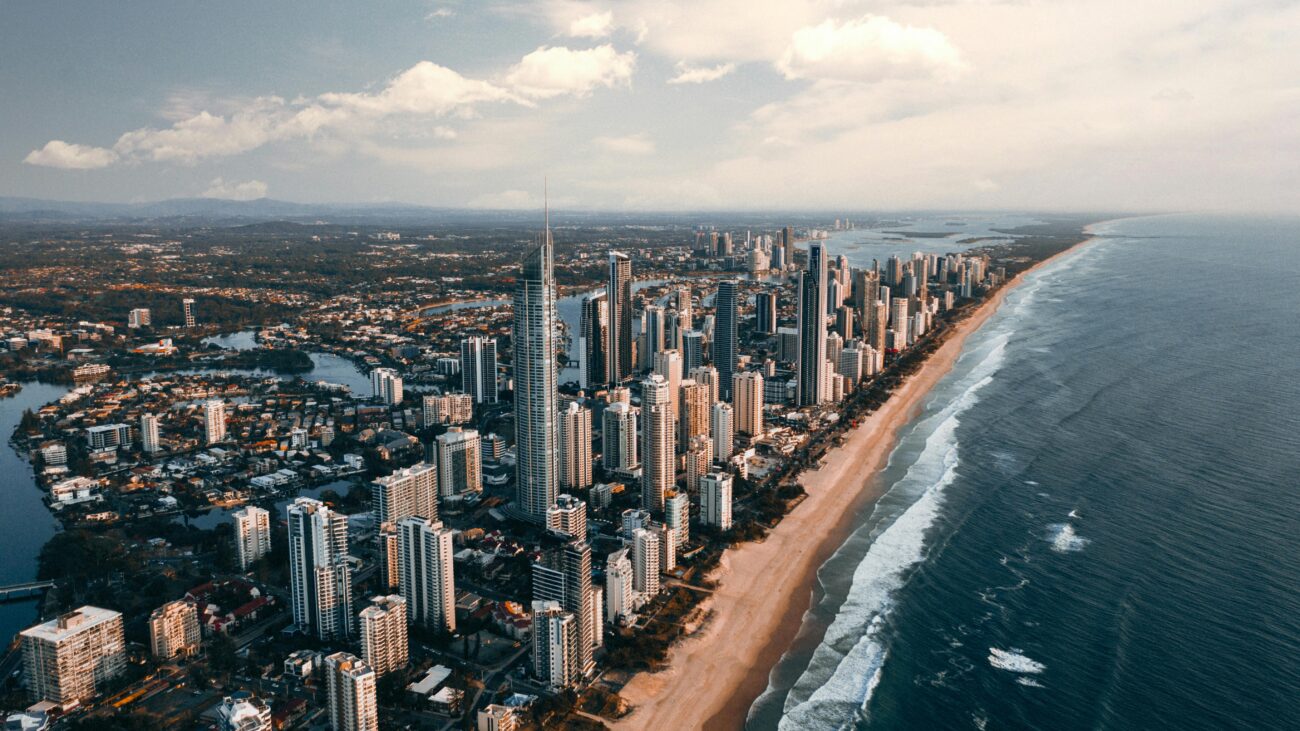
Brisbane

2032 Brisbane Olympic

Analysis of Brisbane 2032 Olympic and Paralympic Games & Queensland's Development Vision.
 
The documents highlight the unique approach of the Brisbane 2032 Olympic and Paralympic Games, positioning it not as a standalone event, but as a catalyst for long-term urban and economic development across Queensland. This is further complemented by the "Destination 2045" plan, which outlines a green and sustainable future for the state's tourism industry.

I. Brisbane 2032 Olympic Games: A Development Catalyst

The "2032 Delivery Plan" emphasizes a pragmatic approach, aiming to "use the Olympics to accelerate urban development" rather than merely "hosting a city for the Olympics".

  • Economic Impact: The Games are projected to bring approximately A$7.4 billion in economic benefits and create around 130,000 direct jobs.
  • Decentralized Venue Strategy ("All Queensland" Approach):
    • Unlike the "Olympic Park enclave" model of Sydney 2000, Brisbane 2032 adopts a "new and old combined, regional linkage" approach.
    • Events will span across Queensland, including the Sunshine Coast, Gold Coast, Townsville, and Cairns, and even utilize existing venues in Sydney and Melbourne.
    • This strategy maximizes economic ripple effects, disperses investment risks, and promotes sustainability by utilizing existing infrastructure.

  • Flexible Venue Planning:
    • The original plan to rebuild Gabba Stadium for A$2.7 billion (up from A$1 billion) was cancelled due to cost concerns, demonstrating the state's "resilience and adaptability".
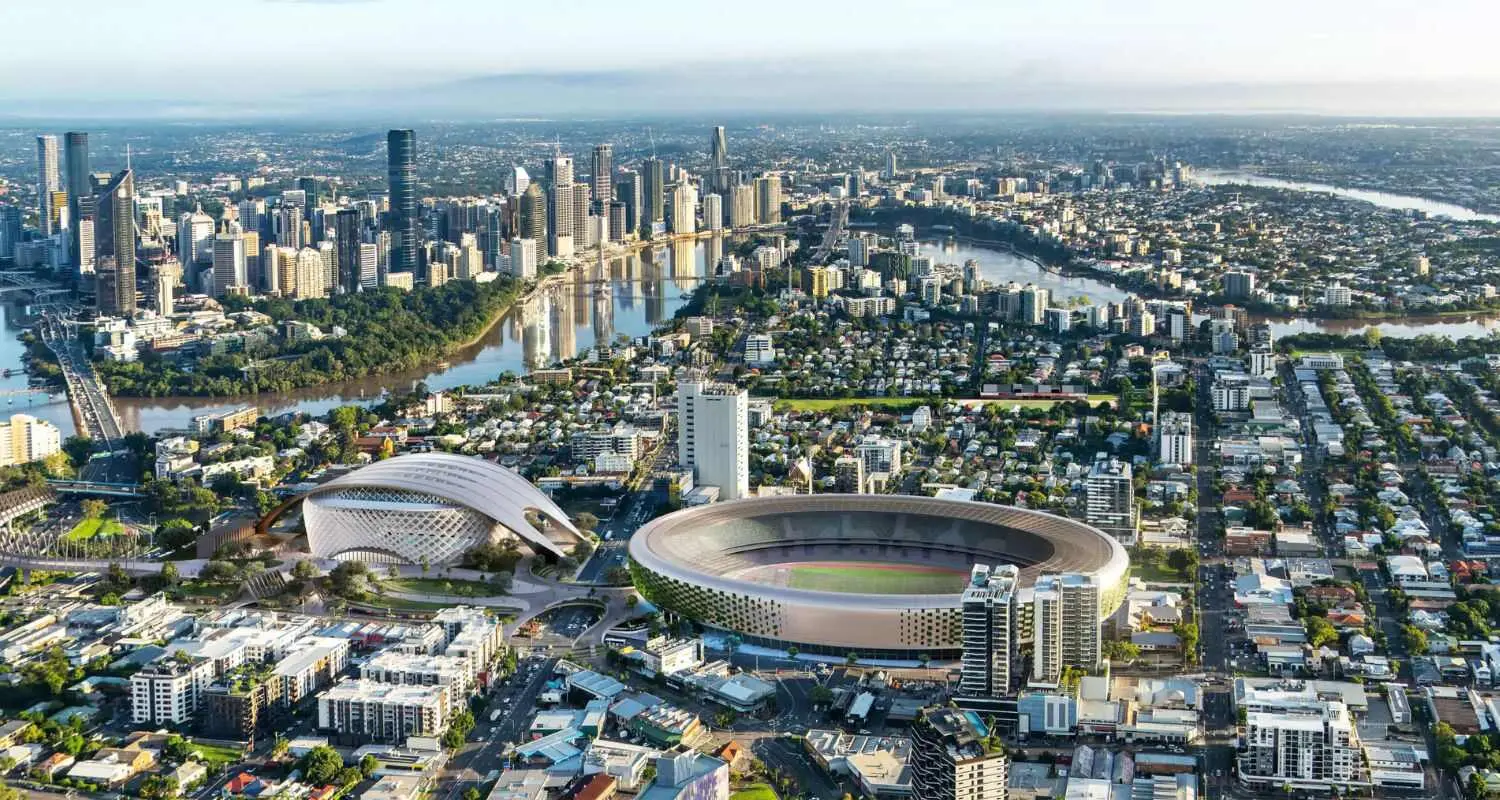
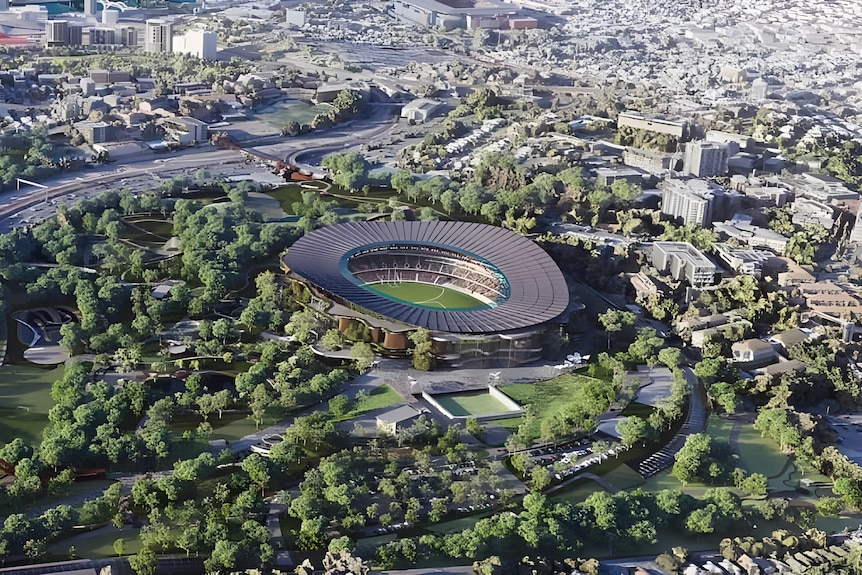
    • The new proposal involves constructing a 63,000-seat stadium at Victoria Park, designed for post-Games use as a new home for AFL and cricket, ensuring functional continuity.
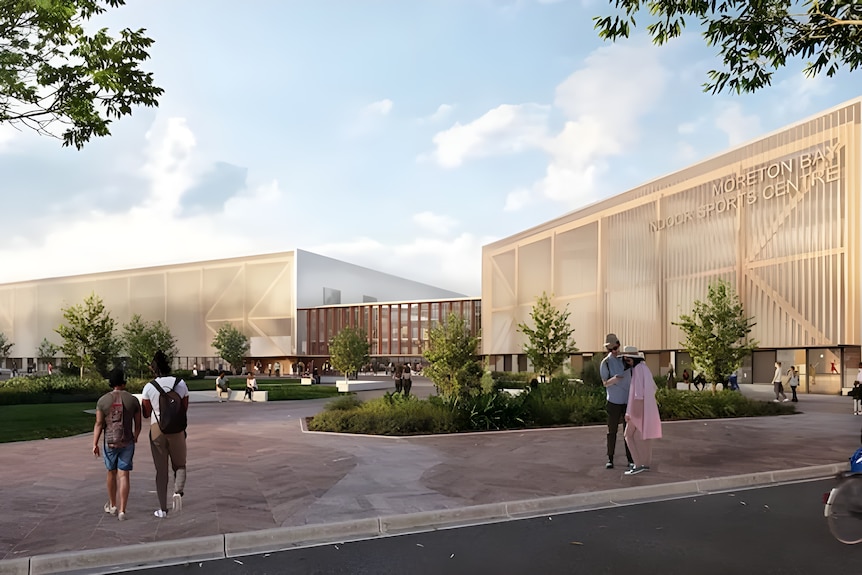
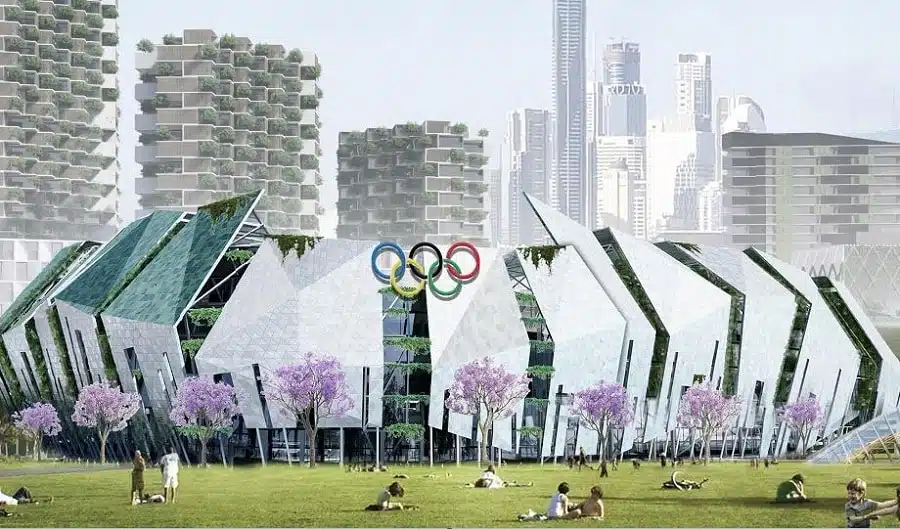
    • Other key venues include a new National Aquatic Centre (25,000 capacity, 8,000 permanent seats) and a significant A$113 million upgrade to the Queensland Tennis Centre.
  • Sustainable Athlete Village:
    • The Olympic Village at Northshore Hamilton will be transformed post-Games into a diverse community including aged care, social housing, and hotels, avoiding "white elephant" (idle asset) issues and ensuring long-term social value.
  • Massive Infrastructure Investment:
    • The Games are being used to accelerate Queensland's largest ever infrastructure investment.
    • This includes A$7.1 billion for venue capital works and over A$9 billion for the Bruce Highway upgrade project.

Key transport projects being advanced include the Cross River Rail (underground tunnels and new stations in Brisbane CBD), the Bruce Highway upgrade, and the Gold Coast Light Rail. These projects aim to lay a solid foundation for Queensland's development for decades to come.

Climate Positive & Inclusive Legacy:

  • Brisbane 2032 is the first Games to contractually require a "climate positive" outcome.
  • The Queensland Government pledges 50% renewable energy use by 2030 and zero-emission public buses from 2025.
  • The "Elevate 2042" legacy strategy, led by Andrew Liveris (Brisbane 2032 Olympic Organising Committee Board Chairman), emphasizes promoting fitness, accessibility and empowering people with disabilities, and respecting Indigenous culture.

Andrew Parsons (International Paralympic Committee President) lauded the plan's "unprecedented" integration of disability inclusion, benefiting Australia's 4.4 million people with disabilities.

II. "Destination 2045": Queensland's Tourism Vision

The Queensland Government's "Destination 2045" plan leverages the 2032 Games as a "green and gold" development opportunity for its tourism sector.

  • Growth & Goals:
    • Queensland's domestic and international overnight visitor expenditure reached a record A$35.3 billion in 2024, with business travelers being a key driver.
    • The plan aims to double overnight visitor expenditure to A$84 billion annually and increase direct tourism jobs by 25% within 20 years.
  • Eco-Tourism Focus:
    • The plan will add 45 new eco-tourism projects by 2045, including dark sky tourism, low-carbon accommodation, and agricultural tourism.
    • Examples of initial projects include the Thorsborne Trail (Hinchinbrook Island), Wangetti Trail (Cairns North), and Whitsunday Skyway (Airlie Beach).
  • Leveraging 2032 Games for Tourism:
    • The plan will utilize the Games opportunity to establish new aviation funds, expand flight networks, and simplify tourism industry regulations.
  • Statements from Leaders:
    • Queensland Premier stated that "Destination 2045" is a 20-year plan to make Queensland Australia's leading holiday destination, focusing on quality events and eco-tourism.

Queensland Tourism Minister  emphasized that the plan sets new benchmarks for Queensland tourism, empowering operators and ensuring the state can showcase its vibrant cities, pristine beaches, rainforests, Indigenous culture, and unique lifestyle to the world.

Leave a Reply

Your email address will not be published. Required fields are marked *