Blog
A Day in the Life of a Brisbane Urban Planner: From Coffee to the City’s Blueprint

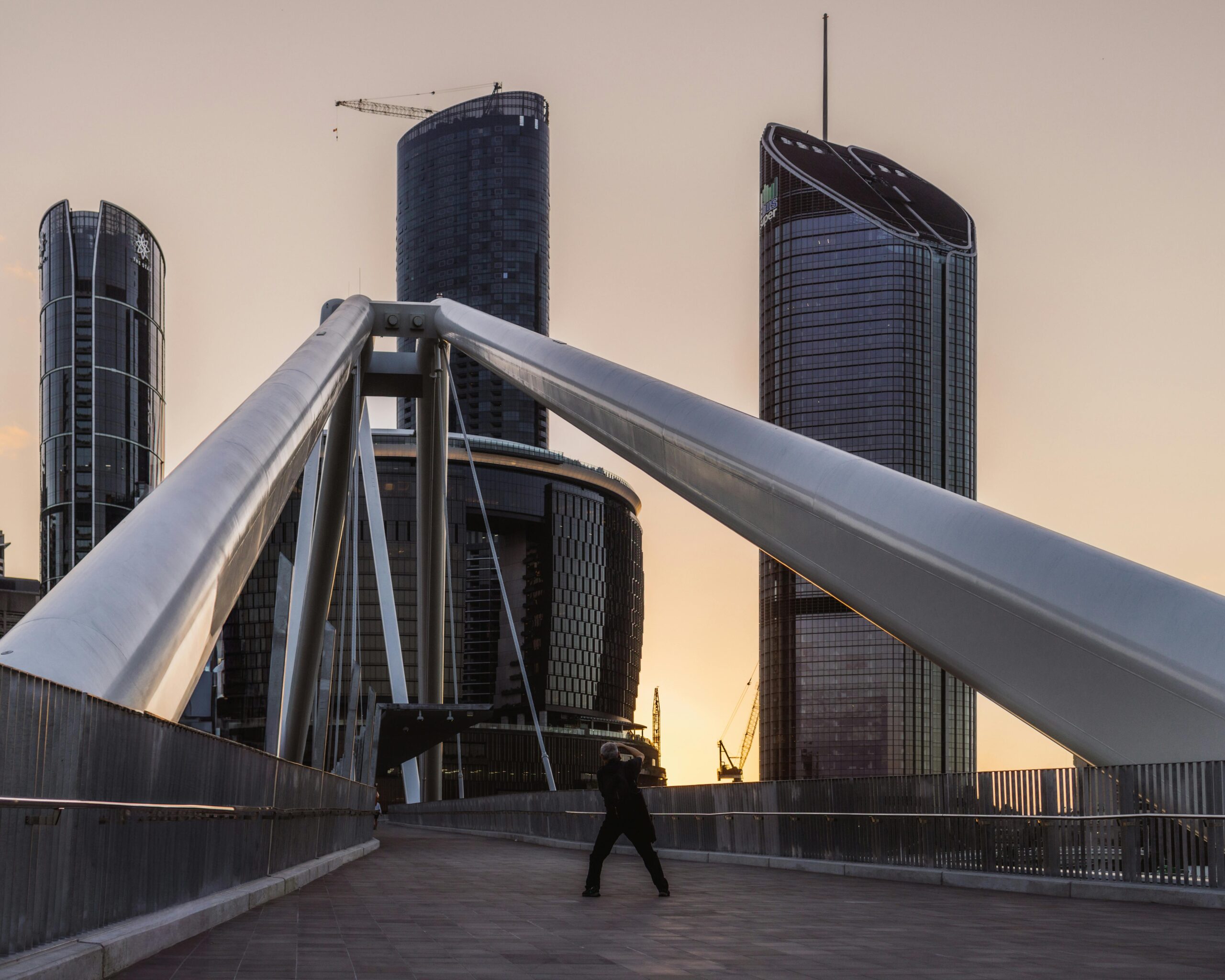
Have you ever walked through Brisbane’s South Bank Parklands or crossed one of its pedestrian bridges and wondered, “How did this get made?” It’s the work of urban planners—the unsung heroes who, with a blend of creativity and technical skill, shape the places where we live, work, and play.
Let’s spend a day with Li Ming, a Brisbane-based urban planner, to see what his job is really all about. It’s a job full of challenges, collaboration, and a little bit of magic.
☕️ 8:00 AM: Coffee and a Collaborative Challenge
Li Ming’s day begins not with a drawing pencil, but with a video conference. He’s on a call with the Brisbane City Council’s Transport Department, discussing the new Cross River Rail station.
The Challenge: The traffic engineers have data showing a critical need for parking to handle peak-hour commuters. But Li Ming’s vision is a vibrant, pedestrian-first public plaza. The two ideas are in direct conflict.
The Skill: Instead of a simple “no,” Li Ming uses empathy and innovation. He validates their traffic concerns, then proposes a bold compromise: “What if we design a multi-level underground parking garage? That way, we can meet the parking demand without sacrificing the ground-level space needed for a lively public plaza.” It’s a win-win solution that turns conflict into a shared opportunity.
🗣 11:00 AM: The Art of Mediation
Later in the morning, Li Ming is in a rapidly developing Brisbane suburb, chairing a project meeting. He’s joined by the project’s Architect and Landscape Architect.
The Challenge: This meeting is a classic battle of interests. The developer, through the Architect, wants to maximize building density for profitability. But residents worry that tall buildings will block sunlight and disrupt their peaceful community. The Landscape Architect’s plan for green space is being squeezed out.
The Skill: Li Ming becomes the mediator. He doesn’t take sides. Instead, he uses data and visual tools, showing a 3D model with different density options to help residents see the impact on their homes. He then explains to the developer that a project with more green space and public amenities may have a slightly higher upfront cost, but will ultimately be more appealing to buyers and hold a higher long-term value. His goal is to guide everyone toward a common vision.
✏ 2:00 PM: The Art of Compromise on the Blueprint
Back at the office, Li Ming gets to work. He’s not just drawing lines; he’s translating the morning’s challenges and feedback into a cohesive blueprint.
He decides to accept a slightly smaller public plaza to accommodate the underground garage entrance. But to make up for it, he uses tiered building setbacks to create more rooftop gardens and public terraces, a vertical solution that pleases both the Landscape Architect and the developer. His mouse clicks and pen strokes are a constant process of balancing commercial interests, public welfare, and urban aesthetics.
The Secrets of the Blueprint: More Than Just Lines
To the untrained eye, a planning blueprint is just a jumble of lines and colors. To an urban planner like Li Ming, every detail tells a story:
Land Use Zoning: The most fundamental layer, this uses colors to define what a plot of land can be used for (e.g., residential, commercial, industrial).
Floor Area Ratio & Height Limits: The blueprint clearly shows the maximum building height and Floor Area Ratio (FAR)—the key metrics in his negotiations with developers.
Infrastructure & Public Amenities: It precisely maps out the location of roads, public transport routes, utilities, and essential public spaces like parks and schools.
Setbacks & Green Space: This section dictates the minimum distance a building must be from property lines and the required amount of green space, ensuring natural light, ventilation, and a higher quality of life for residents.
Walkability & Cycle Paths: Modern blueprints increasingly prioritize pedestrians and cyclists, detailing the routes for footpaths and bike lanes to improve the community’s overall walkability.
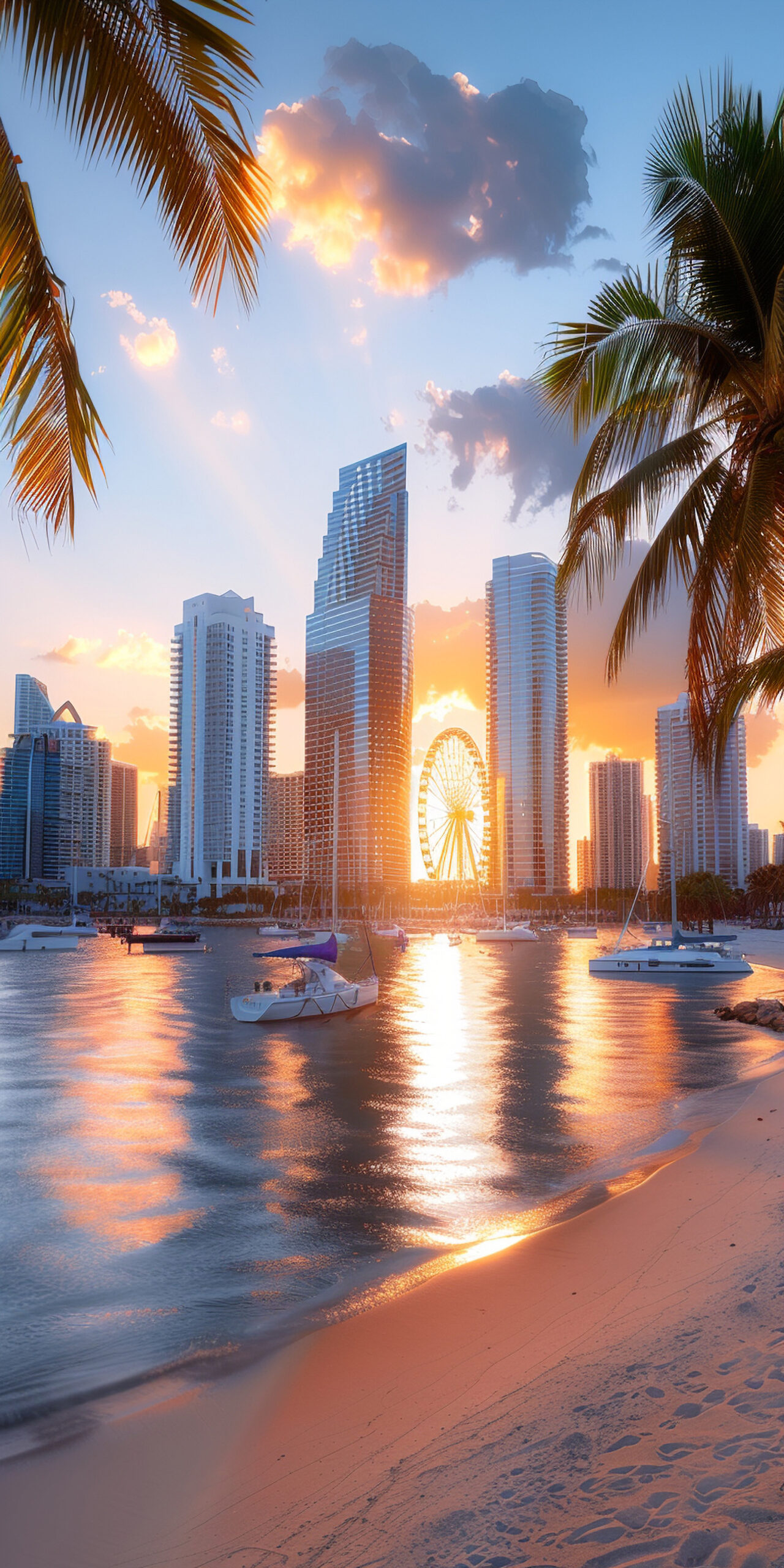
🌇 6:00 PM: Brisbane’s South Bank at Sunset
As the day winds down, Li Ming takes a walk through his favorite spot: South Bank Parklands. The evening sun glimmers on the Brisbane River, children laugh on the grassy banks, and people gather on the man-made beach.
Seeing this vibrant, lived-in scene, Li Ming feels a deep sense of satisfaction. He knows his work isn’t just about lines on a screen; it’s about these real, living moments. Every blueprint he creates has the potential to become a space like South Bank, where people can enjoy a better life.
The day of an urban planner is a constant cycle of data, dialogue, design, and dreaming. It’s a profession that requires both logic and empathy, shaping Brisbane’s future, one blueprint at a time.
Related Posts

2032 Brisbane Olympic